

GDPR Compliance Investigation in Finland and Sweden
After GDPR regulation coming into force on the 25th of May, the Finnish Data Protection Authority’s office was flooded with […]
Keeping track of how your company uses personal data may sound complicated, but under the GDPR it’s required for most organisations. This is where Records of Processing Activities (RoPA) come in.
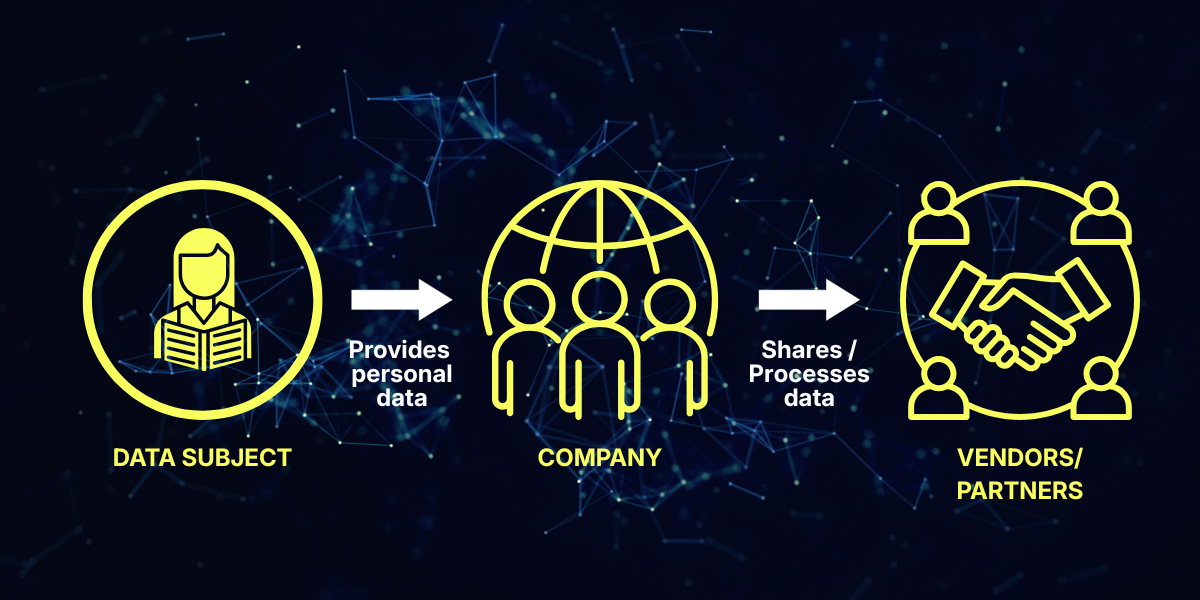
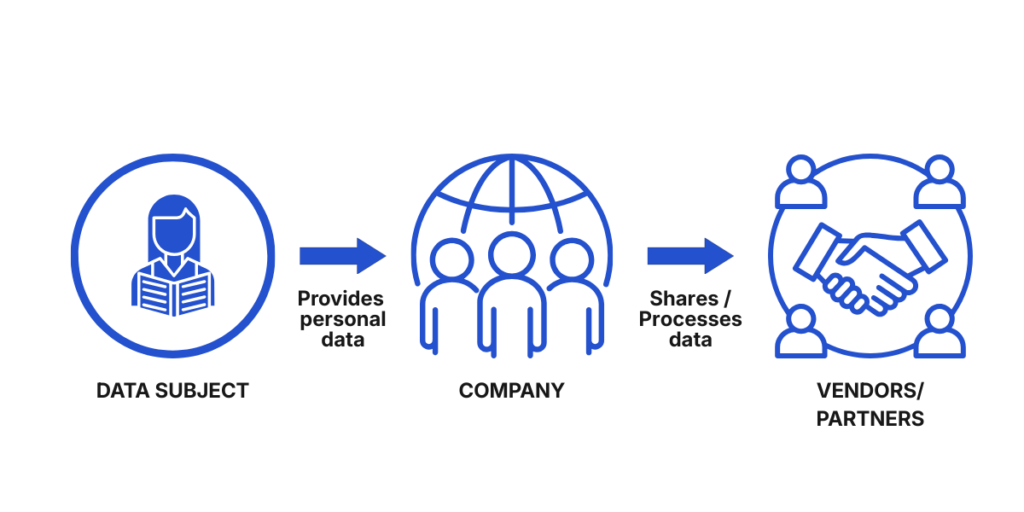
Think of a RoPA as your logbook for data — a clear record of what data you collect, why, and where it goes.
A RoPA shows the what, why, and where of personal data:
What data you collect (names, emails, payments, etc.)
Why you collect it (billing, marketing, recruitment)
Where it flows (internal teams, vendors, partners)
Article 30 of the GDPR says most companies must keep a RoPA. Even small businesses may need one if:
They process sensitive data (health, biometrics, children’s data)
They process data on behalf of others (act as processors)
They process large volumes of data
You have employees (HR files, payroll, sick leave records)
You have customers or clients (names, emails, billing info)
You use marketing tools (newsletters, cookies, analytics)
You work with vendors or partners (sharing personal data)
You offer digital services or apps (collecting user data)
You process sensitive data (health, biometrics, political views)
You act as a data processor (handling data on behalf of others)
You transfer data outside the EU/EEA
You handle high-risk processing (monitoring, profiling, tracking)
If you answered yes to any of these questions – you need to keep a Records of Processing Activities Register – GDPR Register will be a great choice here to help you achieve that.
A proper RoPA should include:
Purpose of processing
Categories of data subjects (customers, staff, partners)
Types of data (contact details, financial, health)
Who you share it with (vendors, authorities)
Retention times (how long you keep it)
Security measures
Regulators can request your RoPA at any time. Having one:
Shows accountability
Protects you from fines
Helps your team understand data flows
Speeds up privacy tasks like DPIAs
Avoid these pitfalls:
Using one generic RoPA for “everything”
Forgetting retention times
Leaving out vendors or recipients
Letting it go out of date
A RoPA is never finished. Update it when:
You launch a new product or campaign
You start using a new vendor or SaaS tool
You expand to new regions
Spreadsheets: okay for very small orgs, but messy and hard to maintain.
Software: keeps RoPAs accurate, consistent, and shareable.
With tools like GDPR Register, you can:
Build RoPAs with guided templates
Link them to DPIAs and LIAs
Export reports instantly
Keep all GDPR tasks in one place
A clear RoPA is more than compliance — it’s a trust signal. Clients, partners, and investors see that you take privacy seriously.
A RoPA is your GDPR logbook. Done well, it’s not just about avoiding fines — it helps you understand your data, reduce risks, and build trust.
Start with a template if you’re small, but as your business grows, consider switching to dedicated software to save time and avoid mistakes.
Keeping track of how your company uses personal data may sound complicated, but under the GDPR it’s required for most organisations. This is where Records of Processing Activities (RoPA) come in.
Think of a RoPA as your logbook for data — a clear record of what data you collect, why, and where it goes.
A RoPA is your GDPR logbook. Done well, it’s not just about avoiding fines — it helps you understand your data, reduce risks, and build trust.
Start with a template if you’re small, but as your business grows, consider switching to dedicated software such as GDPR Register to save time and avoid mistakes.
After GDPR regulation coming into force on the 25th of May, the Finnish Data Protection Authority’s office was flooded with […]

The General Data Protection Regulation (GDPR) has introduced a new obligation, which requires companies and organizations to carry out data […]