


Why ‘I Don’t Allow Meta’ Posts Don’t Work and What to Do
Every so often, viral posts resurface on Facebook and Instagram declaring: “I do not allow Meta to use my data, […]

The General Data Protection Regulation (GDPR) establishes the requirement for certain organizations to appoint a Data Protection Officer (DPO). The role of the DPO is to oversee data protection compliance, provide guidance on regulatory obligations, and act as a point of contact for data protection authorities and data subjects.
Since GDPR enforcement, businesses have faced increased scrutiny regarding data processing operations. While some organizations are legally required to appoint a DPO, others choose to implement compliance solutions that facilitate GDPR adherence without the need for a dedicated officer.
Below is an overview of the DPO’s role, organizations that must appoint one, and compliance alternatives.

A Data Protection Officer (DPO) is an independent expert responsible for ensuring an organization’s compliance with GDPR and other applicable data protection frameworks. This role is particularly important for businesses processing large volumes of personal data or handling sensitive categories of information that require additional security measures.
The core responsibilities of a DPO include:
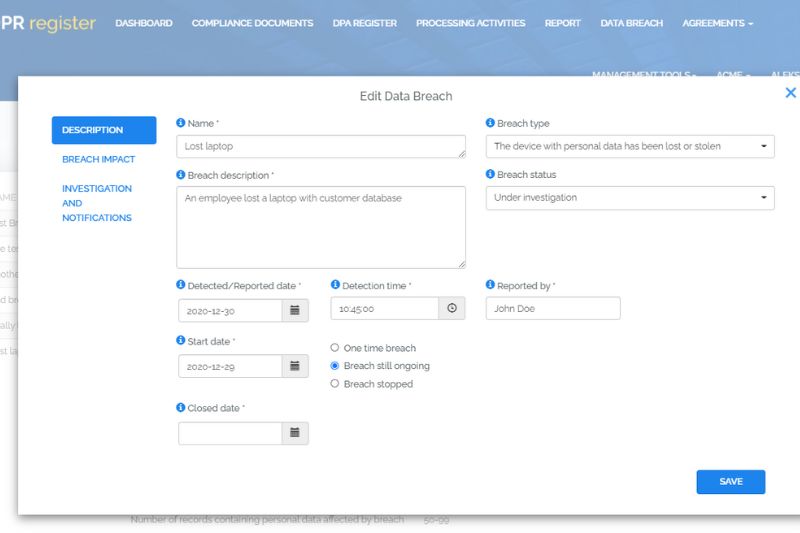
Organizations handling high volumes of personal data often appoint a DPO to oversee compliance, but for many businesses, dedicating an internal resource to this role is not feasible. Instead, companies are turning to GDPR compliance tools, such as GDPR Register, which allow them to automate and manage compliance efforts efficiently.
A DPO’s primary function is to ensure that personal data processing activities align with GDPR requirements. The key compliance responsibilities include:
Due to the complexity of regulatory compliance, many businesses rely on compliance automation tools to support internal data protection activities.
GDPR Register’s compliance management software assists in streamlining documentation, monitoring risk factors, and ensuring regulatory accountability.
A Data Protection Officer is more than just a compliance figure—they play a critical role in an organization’s data protection governance framework. Their responsibilities extend beyond fulfilling legal requirements; they ensure that privacy principles are embedded in business operations.
A well-integrated DPO helps organizations develop a culture of data protection, ensuring that employees at all levels understand their obligations under GDPR. This includes:
A proactive DPO contributes to long-term regulatory resilience, reducing the likelihood of non-compliance and minimizing the impact of potential data breaches.
For a Data Protection Officer (DPO) to effectively fulfill their responsibilities, they must operate with a high degree of independence and have the necessary resources to carry out their role. Organizations are required under GDPR to ensure that their DPO is not influenced by external pressures or conflicts of interest.
A compliant organizational structure for a DPO includes:
A well-supported DPO strengthens data protection governance and helps organizations proactively address regulatory risks, reducing exposure to GDPR violations.

According to Article 37 of GDPR, the appointment of a Data Protection Officer is mandatory for organizations that:
Organizations falling into these categories must appoint a DPO—regardless of size or location—if they process data belonging to EU citizens. This includes banks, insurance companies, healthcare providers, marketing firms, and any business involved in large-scale data analytics.
However, even businesses not legally required to appoint a DPO still face GDPR data protection obligations. In these cases, many companies use compliance software to track, document, and manage GDPR-related tasks without needing a dedicated officer.
While some organizations appoint an internal DPO, others opt for external DPO services to fulfill compliance requirements. The choice depends on several factors, including:
External DPOs provide an unbiased perspective on compliance challenges while ensuring organizations meet regulatory expectations without internal conflicts of interest.
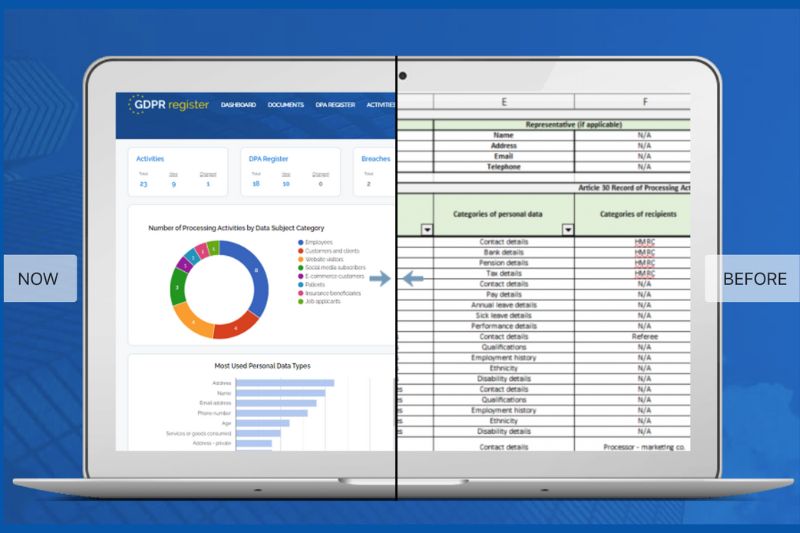
One of the most common questions businesses have is whether DPO software can replace a human Data Protection Officer. The answer depends on the organization’s specific regulatory requirements:
GDPR Register’s DPO compliance software provides businesses with structured tools to:
One of the most crucial responsibilities of a DPO is conducting risk assessments and ensuring that organizations follow best practices for data security. This includes:
By actively monitoring risk factors, a DPO helps organizations avoid costly GDPR fines and reputational damage.
While the Data Protection Officer (DPO) plays a critical role in GDPR compliance, organizations may also have Privacy Officers or Compliance Officers overseeing broader data protection strategies. Understanding the distinctions between these roles helps businesses assign responsibilities effectively.
| Role | Key Responsibilities | Regulatory Focus |
| DPO | Ensures GDPR compliance, monitors data protection policies, and liaises with regulators. | GDPR-mandated for certain organizations. |
| Privacy Officer | Manages overall privacy policies, employee training, and internal privacy strategies. | Varies by jurisdiction (e.g., CCPA, LGPD, PDPA). |
| Compliance Officer | Ensures company-wide regulatory adherence beyond data protection laws (e.g., financial, HR compliance). | Broader legal and regulatory scope. |
In organizations handling large volumes of personal data, a DPO and a Privacy Officer may work together, ensuring both legal compliance and strong privacy practices.
By utilizing automated compliance solutions, organizations can use technology to stay GDPR-compliant without the complexity of manual tracking.

With the increasing focus on data privacy and regulatory enforcement, businesses are expected to strengthen their data protection law frameworks. The appointment of a DPO, whether mandatory or voluntary, is a key aspect of achieving compliance assurance and risk mitigation.
Organizations that fail to implement effective GDPR measures may face financial penalties and reputational risks, emphasizing the need for structured compliance management strategies.
A DPO is responsible for ensuring third-party data processors comply with GDPR, especially when an organization outsources data processing activities. This includes:
By managing third-party risks, a DPO helps organizations minimize liability and strengthen data security across their supply chain.
Failing to appoint a Data Protection Officer when legally required can result in severe financial penalties. GDPR enforcement actions have shown that non-compliance can lead to fines of up to €10 million or 2% of annual global turnover.
Consequences of not appointing a DPO when required include:
Businesses must assess their compliance obligations and, when necessary, appoint a qualified DPO or leverage compliance software to meet GDPR standards.
For businesses navigating complex data governance challenges, DPO compliance software provides an effective solution for ensuring GDPR adherence while minimizing regulatory exposure.

Selecting the right DPO requires evaluating expertise, independence, and experience. Key factors to consider when appointing a DPO include:
Whether hiring internally or outsourcing, organizations must ensure their DPO has the expertise and resources needed to uphold GDPR compliance effectively.
A DPO is essential for organizations handling personal data and ensuring compliance with GDPR and other data protection regulations. Businesses must determine whether a full-time DPO, an external consultant, or compliance software best fits their needs.
With GDPR enforcement evolving, organizations that prioritize data protection governance will not only avoid penalties but also build trust with customers and stakeholders.
For companies looking to simplify compliance efforts, GDPR Register’s DPO software offers a streamlined solution to automate regulatory tasks and ensure accountability.
Explore GDPR Register’s DPO compliance solutions today to strengthen your organization’s approach to GDPR compliance.
Every so often, viral posts resurface on Facebook and Instagram declaring: “I do not allow Meta to use my data, […]

What is Data Breach? According to General Data Protection Regulation (GDPR), a personal data breach is a security incident that […]